
The Wetland Was Here: Why Timing Changes What We Can See
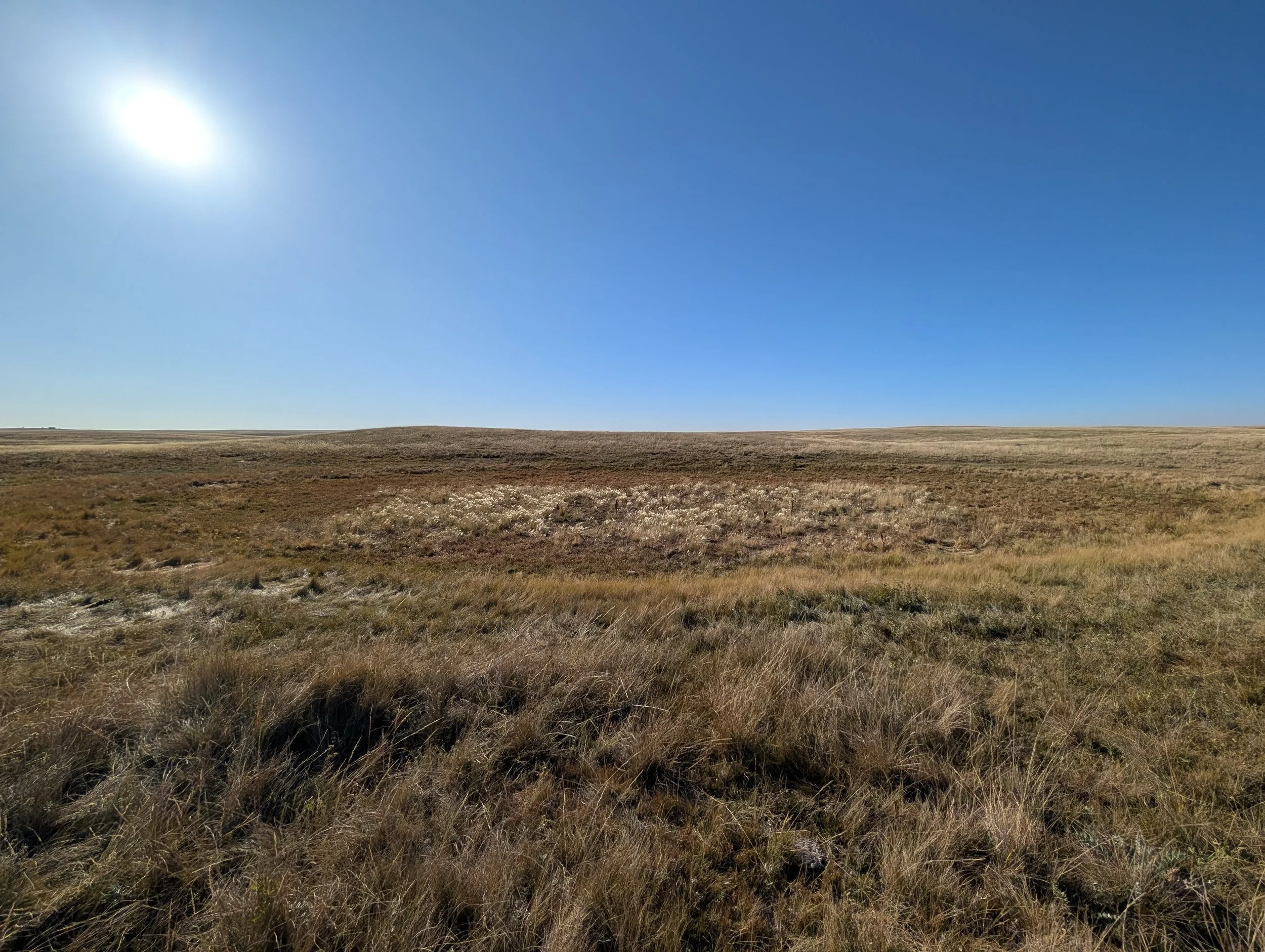
Wetlands are not always “wet” when you happen to visit them. They are dynamic systems shaped by snowmelt, rainfall, groundwater, soil characteristics, vegetation, and site position. Some hold water for long periods, while others only show themselves clearly for a short window each year.
That is why timing is a consideration during any site visit. In May, a low spot in a project area may be full of water. By August, that same area may be dry enough to walk across in regular boots. Same site, different season, very different evidence. A wetland assessment is not just about whether there is water on site that day. It is about understanding how water moves through the area over time.
What Plants Are Telling You (If You Know How to Listen)
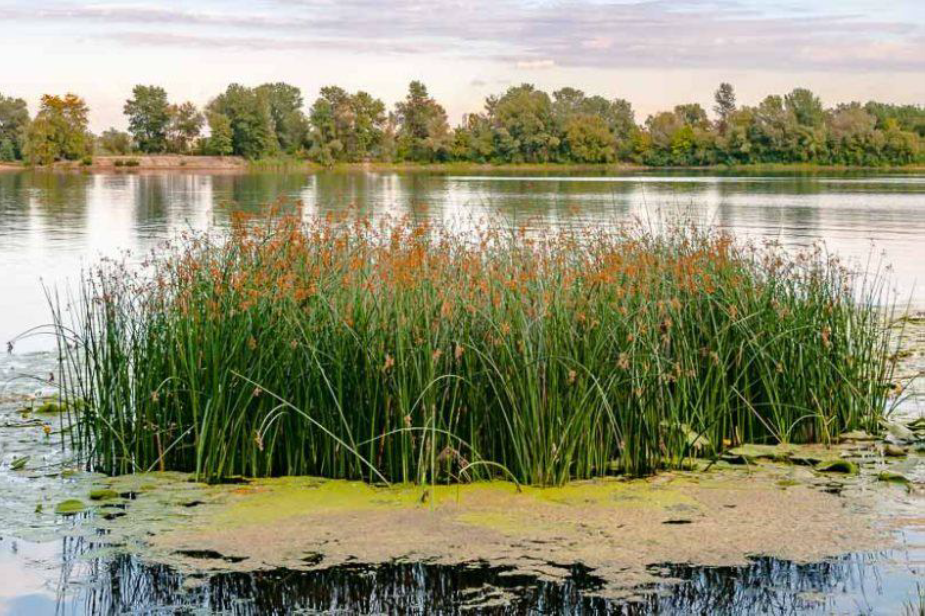
Every plant growing on a piece of land got there for a reason. It did not show up by accident. It is there because the soil, the moisture, the drainage, and the disturbance history of that site made it possible. Once you understand that, walking across a landscape starts to feel less like a nature stroll and more like reading a report that the land wrote about itself.
This is something AJM's vegetation crew thinks about constantly in the field. Here is a small window into how we read what plants are telling us.
Weird Plant Wednesday: Overlooked Liverworts
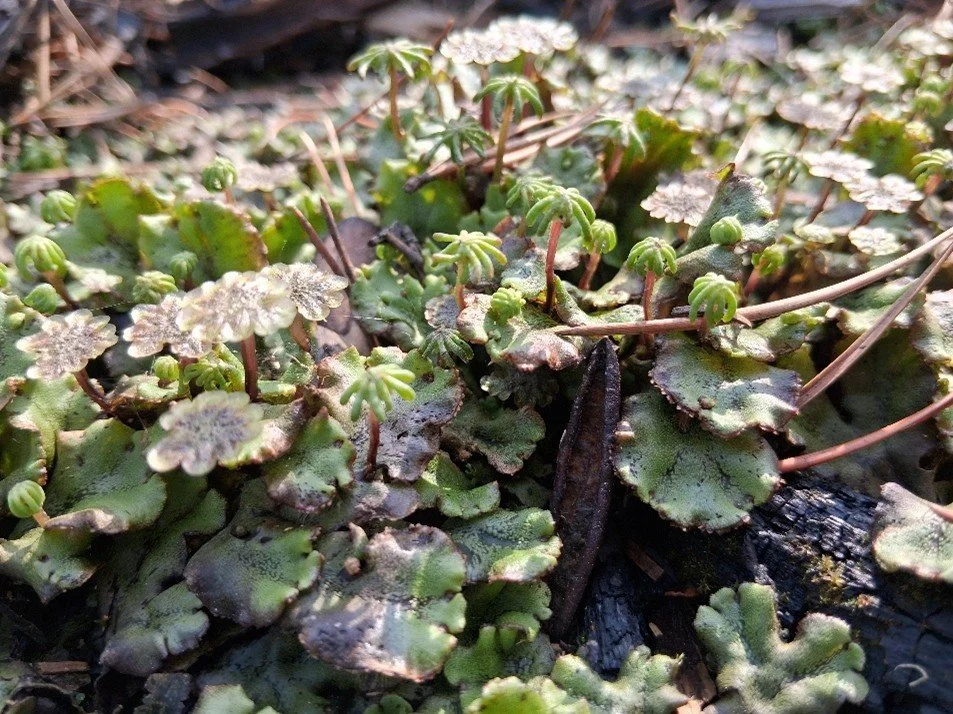
We’re finishing off this tour of the weird plants of Alberta’s boreal wetlands with liverworts. Heard of them? I hadn’t either until I started working in northern Alberta, but I’m becoming increasingly obsessed. Get out your microscopes and dichotomous keys, because liverworts might be the weirdest plants we’ve covered yet!
First of all, what are liverworts, and why on earth do they have such a weird name?
Weird Plant Wednesday: Peculiar Parasites
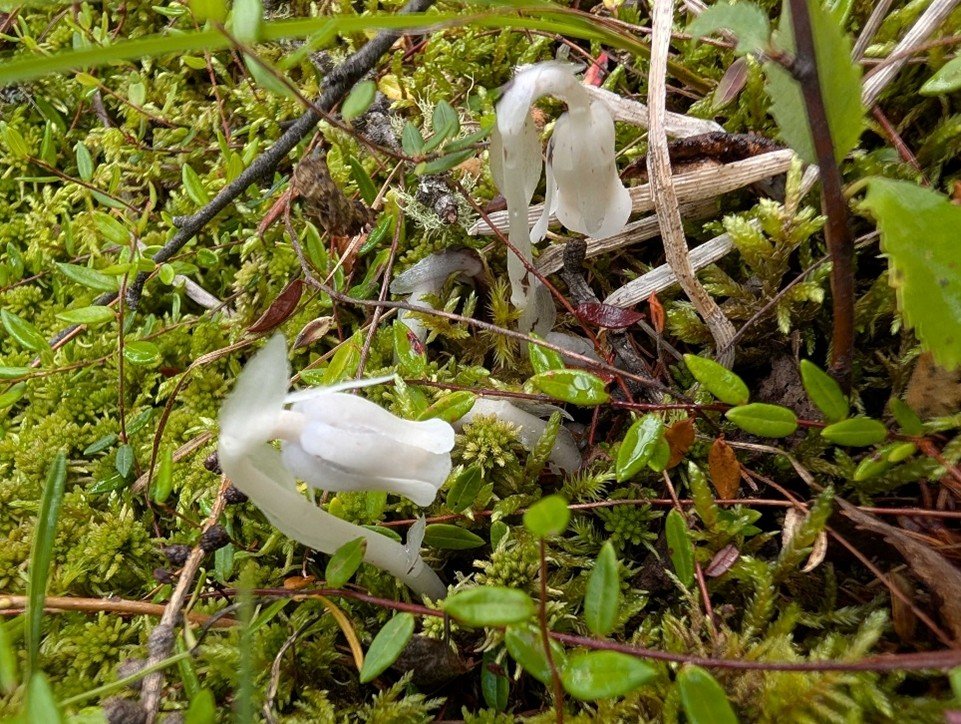
Carnivorous plants cope with the scarcity of nutrients in peatlands by eating animals. Parasitic plants? They just steal.
It doesn't get much weirder than parasitic plants. The ghost pipe, Monotropa uniflora, could easily be mistaken for a mushroom. It's an almost translucent shade of white, with a bell-shaped flower like a ghost costume made from a sheet. Underground, its roots reach out to the threadlike network of mycorrhizal fungi. These fungi usually form a close symbiotic partnership with plants via their roots; the plants share sugars made by photosynthesis with the fungus, while the fungi contribute minerals extracted from the soil to the plant. Ghost pipe makes this relationship more one-sided, drawing on other plants’ sugars and the fungi’s nutrients without contributing anything in exchange. And because it completely skips photosynthesis, it has no chlorophyll, the pigment that makes plants green.
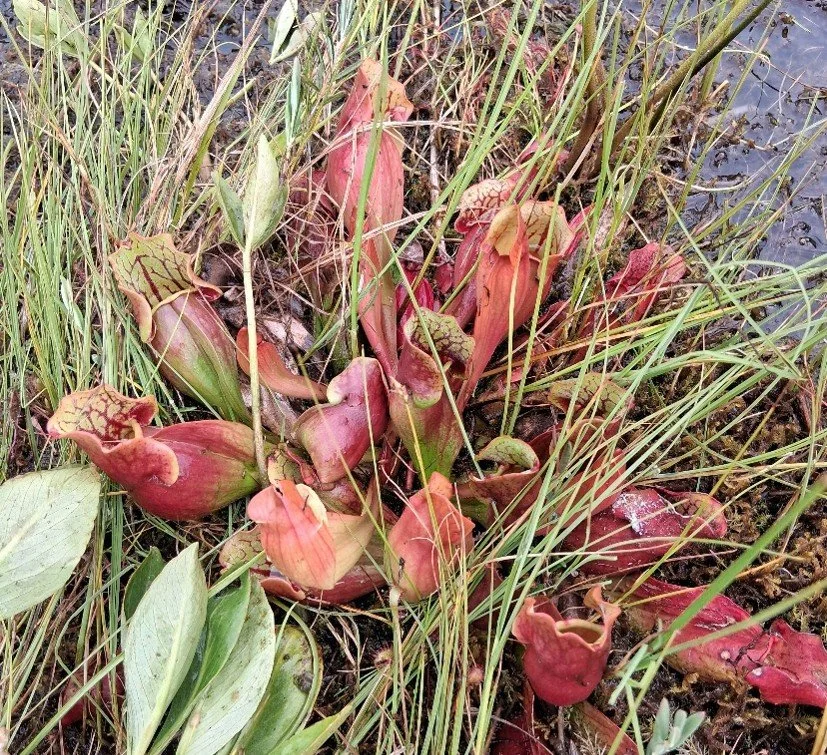
Weird Plant Wednesday: Curious Carnivores
When you think of carnivorous plants, do you think of lush tropical rainforests? Or perhaps Little Shop of Horrors, with its failing neighbourhood florist where people keep breaking out into song? You probably don’t think of the cool, mosquito-filled wetlands of northern Canada. But in fact, Alberta is home to at least 12 species of carnivorous plants!
Peatlands are where carnivorous plants thrive. Because peat is made up of dead plants that have stopped decaying, their nutrients aren't available for other plants to recycle (see last Wednesday’s Weird Plant post about Sphagnum). Plants that live in peatlands have lots of strategies to cope with these nutrient-poor conditions and obtain scarce nutrients, but carnivorous plants have one of the coolest. Unsurprisingly, that strategy is...being carnivorous!
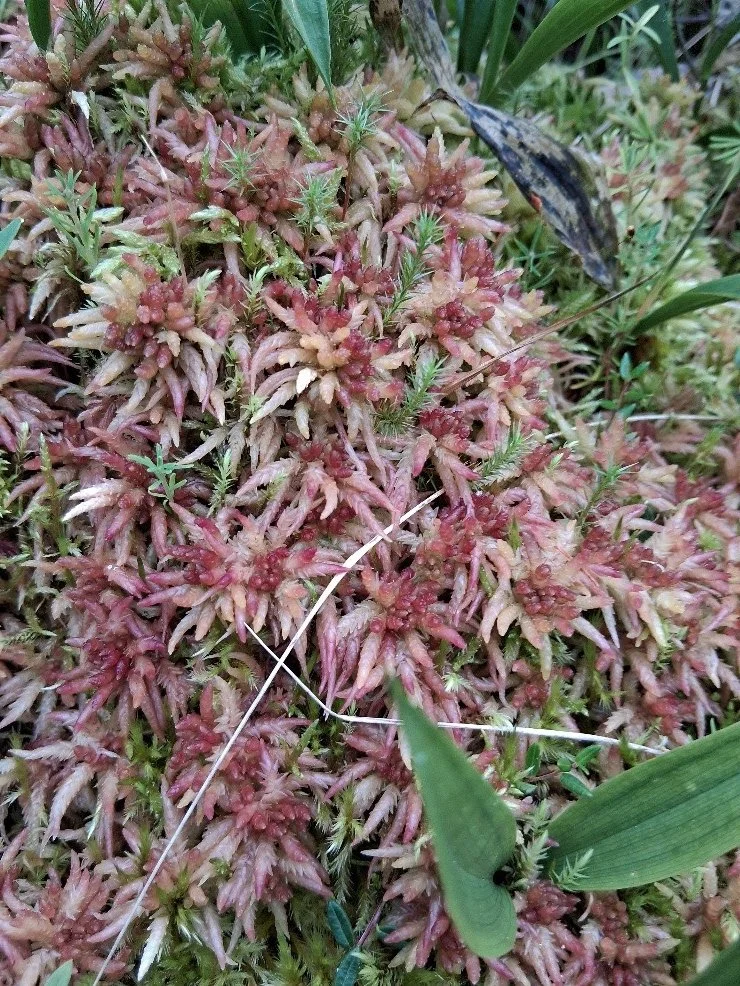
Weird Plant Wednesday: Strange Sphagnum
Welcome to Weird Plant Wednesday, a series of field notes about some of the bizarre plants of Alberta's boreal wetlands – plants that AJMers are privileged to see during summer field work in northern Alberta!
There's only one logical place to start this series, and it's the plants that literally help create Alberta's fens and bogs: peat mosses (genus Sphagnum).
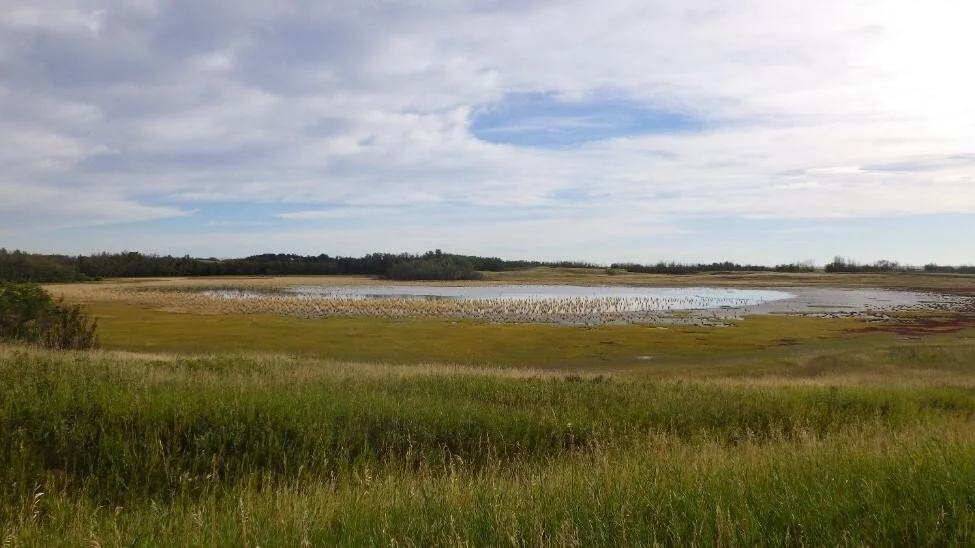
Valuing Alberta's Wetlands: Dry Doesn’t Mean Unimportant
For many, it can be difficult to visualize wetlands in grassland ecosystems or crop fields, especially when they appear dry for most of the year. However, wetlands play a critical role in managing floods and droughts by storing and gradually releasing water, filtering out nutrients and contaminants, and providing habitat for diverse species, including migratory birds, amphibians, and over 400 plant species in Alberta alone …
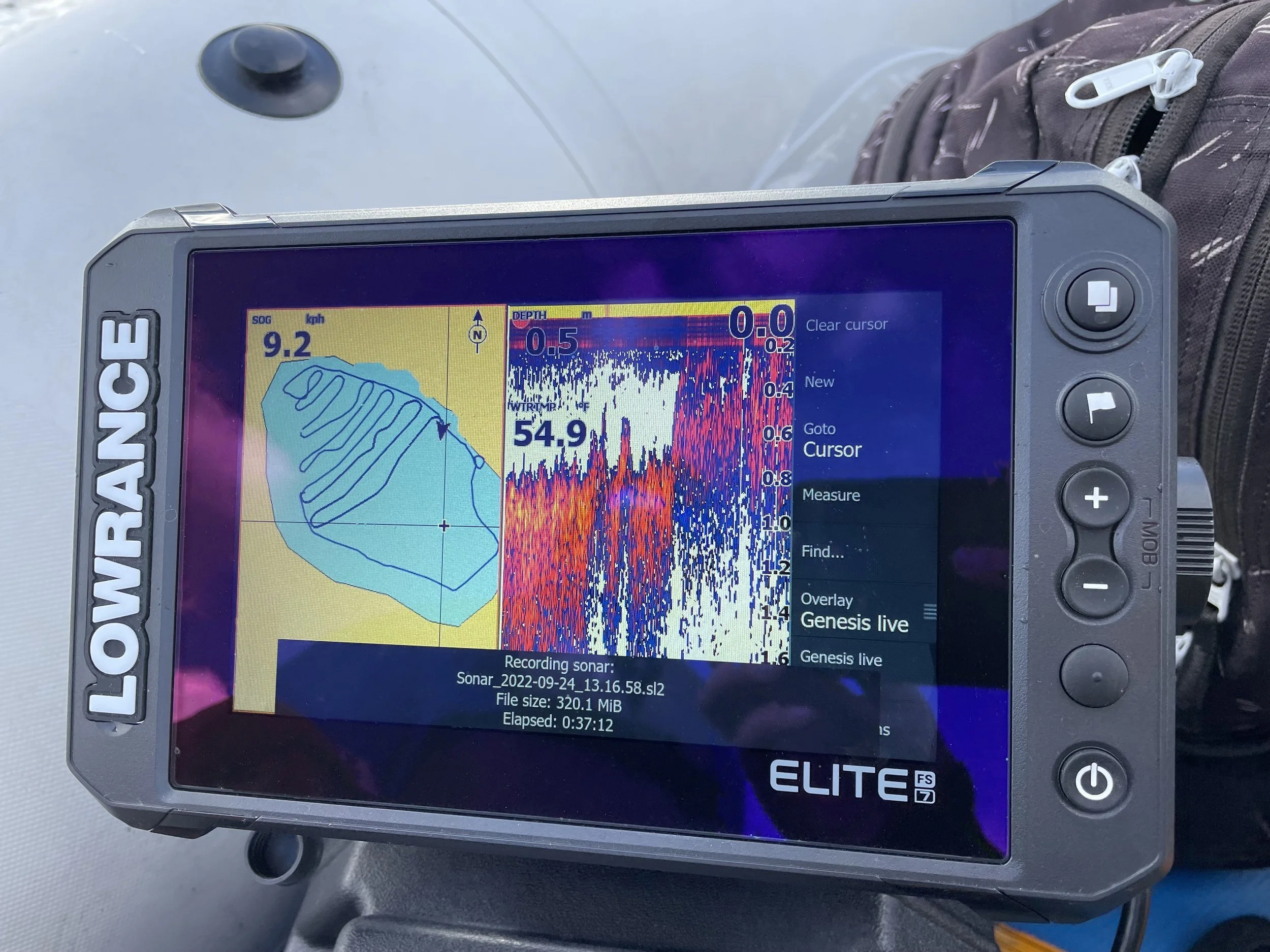
Bathymetry: The Shape of Sound
Have you ever wondered what the bottom of the ocean looks like? Or how deep your favourite lake is? Using the science of bathymetry, we can investigate these mysterious biomes without ever leaving the surface! Bathymetry is the measurement of water depth in river, lake, and ocean ecosystems. It is a fundamental component of hydrography which studies the physical characteristics of a water body.

Who’s Who in That Pool?
As spring sweeps into Alberta, ice thaws, snow melts away, and seasonal rains and flurries fall, all across the province waterbodies fill and wetlands come to life. Many of us will turn our eyes skyward watching flocks of birds wing their way north from their winter refuges, but from under the fallen leaves, rocks, holes …

What the Duck? Why Waterfowl are Essential to Wetlands
Wetlands provide vital habitat for an abundance of aquatic and terrestrial species, including, migratory waterfowl (ducks, geese, and swans).
Many of these important wetland ecosystems can be found nestled within the Prairie Pothole Region (PPR) of Alberta, Saskatchewan, and Manitoba in Canada, as well as North Dakota, South Dakota, Iowa, Minnesota, and Montana in the United States. So it almost doesn’t come as a surprise that the PPR provides suitable habitat for almost 50% of all North American migratory waterfowl populations to feed, breed, and stop-over during migration movements!